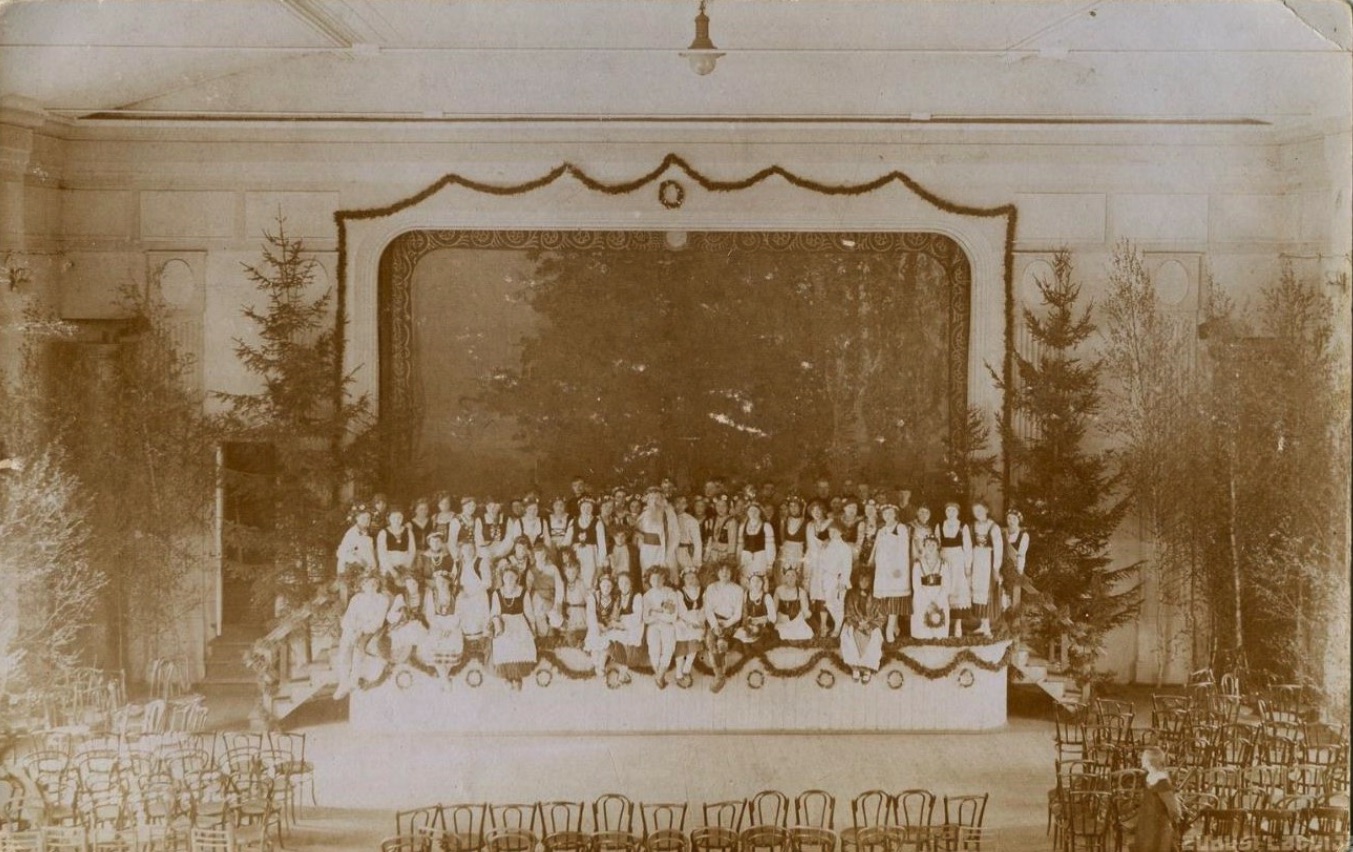
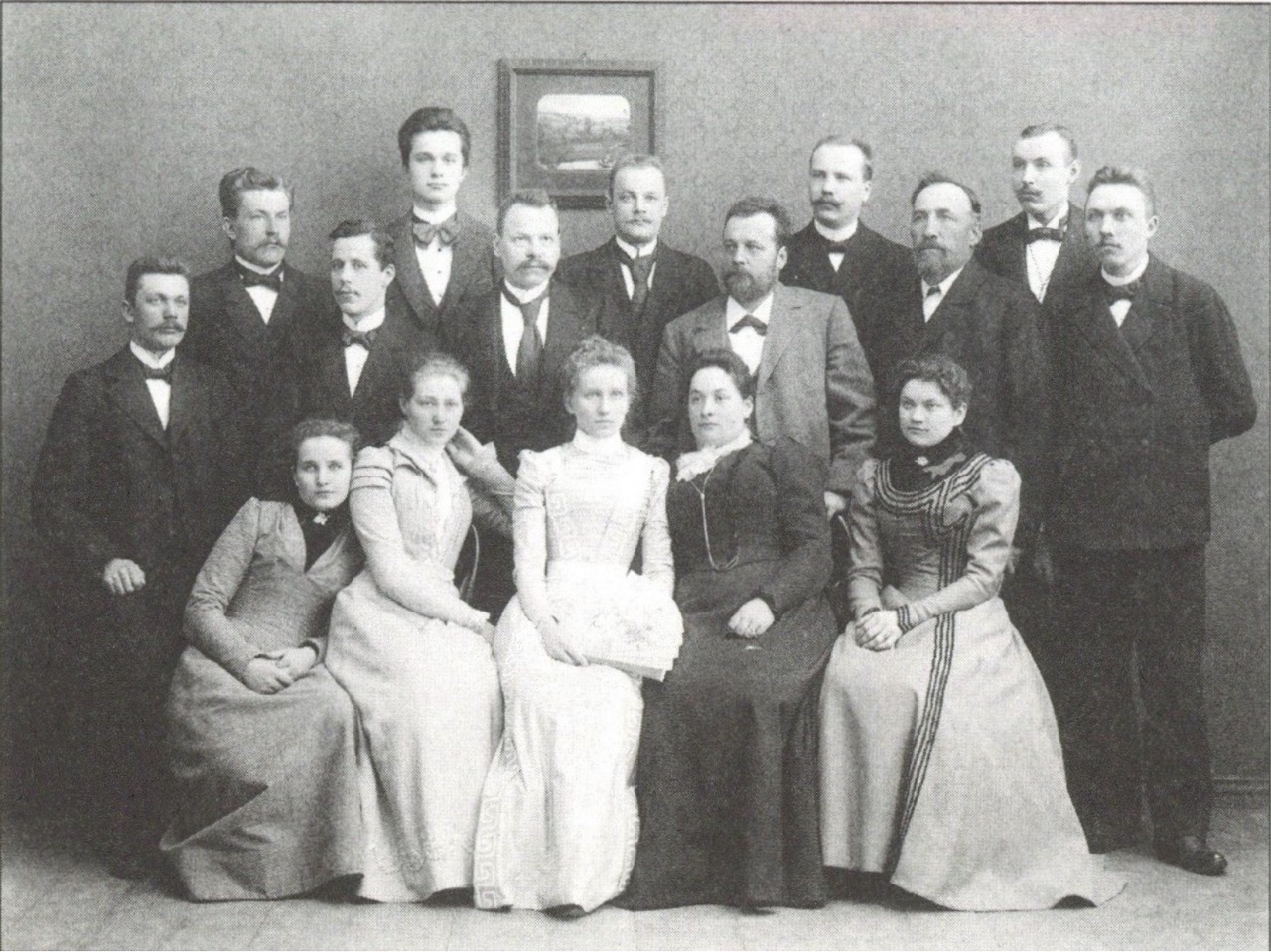
The history of Cēsis Theater began in 1875, when the first Latvian theater performance took place in the town - Ādolfs Alunāns' troupe visited the German citizens' club "Bürger Muse" with R. Hahn's play "The Nightingale and the Brother's Daughter" and L. Holberg's "Drunkard Bērtulis." This event inspired the local people of Cēsis so much that by the end of that same year, a drama group was formed in the newly established Charity Society, which in 1876 was given an official name - Cēsis Theater.
The first theater directors were Kārlis Mačernieks (pseudonym Reķu Viesonis) and Pēteris Liepiņš-Austriņš, who started with Ādolfs Alunāns' play "Self-Raised." Under their leadership, the theater experienced rapid growth - social evenings with theater performances or concerts were organized every month, and soon the troupe began staging increasingly complex works. In 1883, the young actors' troupe dared to stage the complex romantic play "Precioza" by Pius Alexander Wolf with music by C. M. Weber, but an even bolder step was Ferdinand Raimund's fantastic comedy "The Spendthrift" with many stage effects - fires, floods, flying through the air, and transformations. The performance on March 31, 1885, gave the people of Cēsis a huge surprise and excitement, and moreover, they were the first to stage this play in Latvian, beating even the Riga Latvian Theater by two weeks!
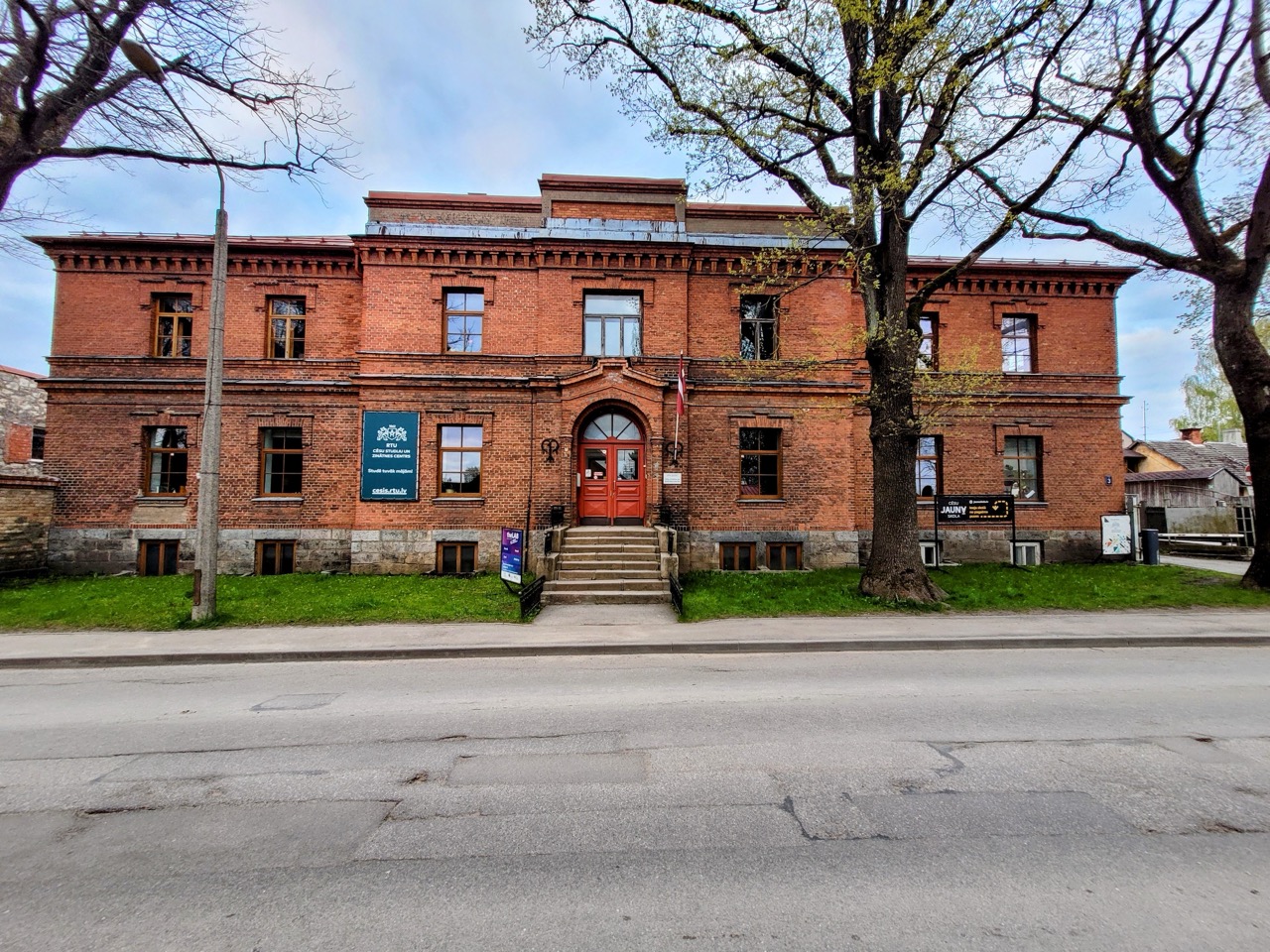
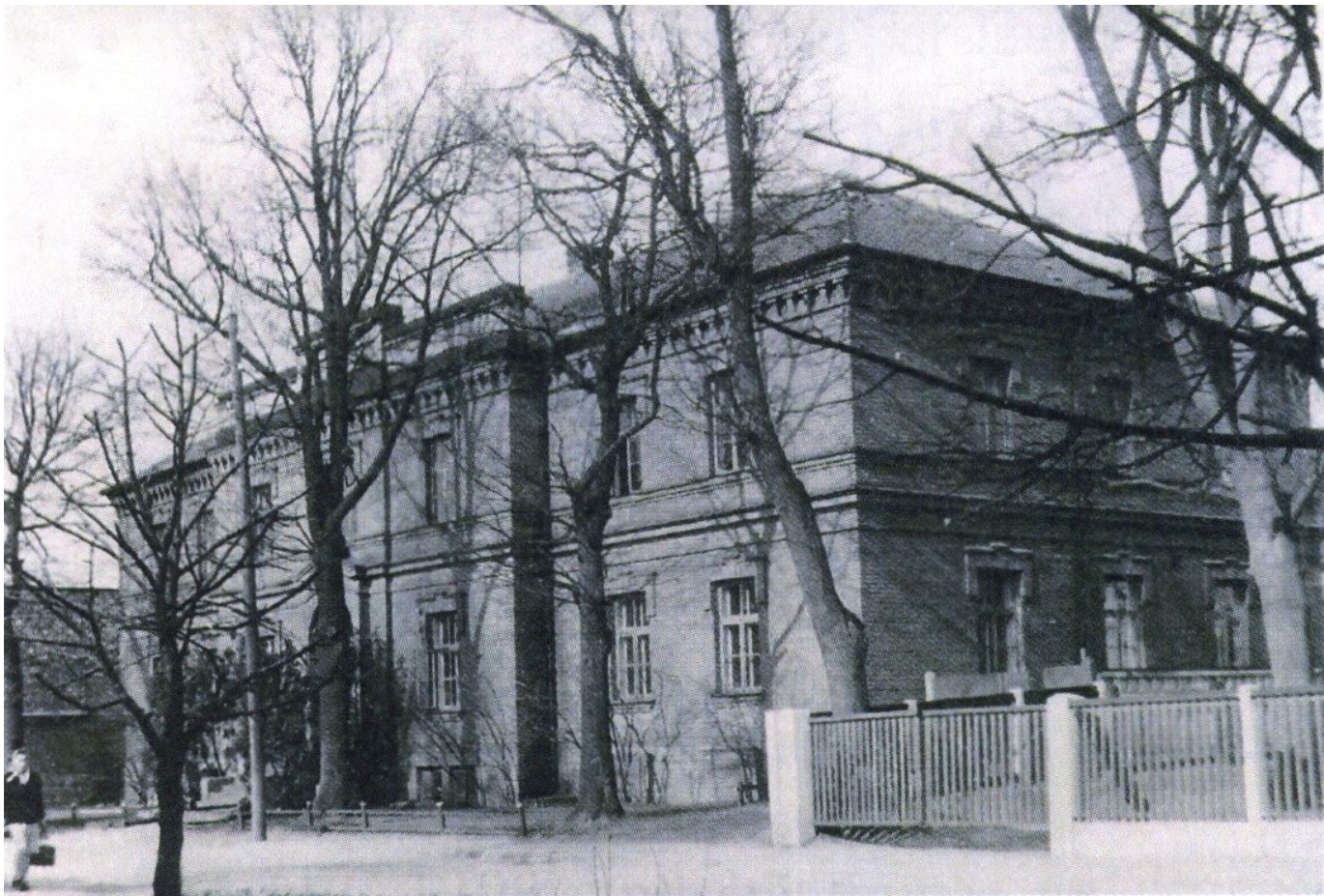
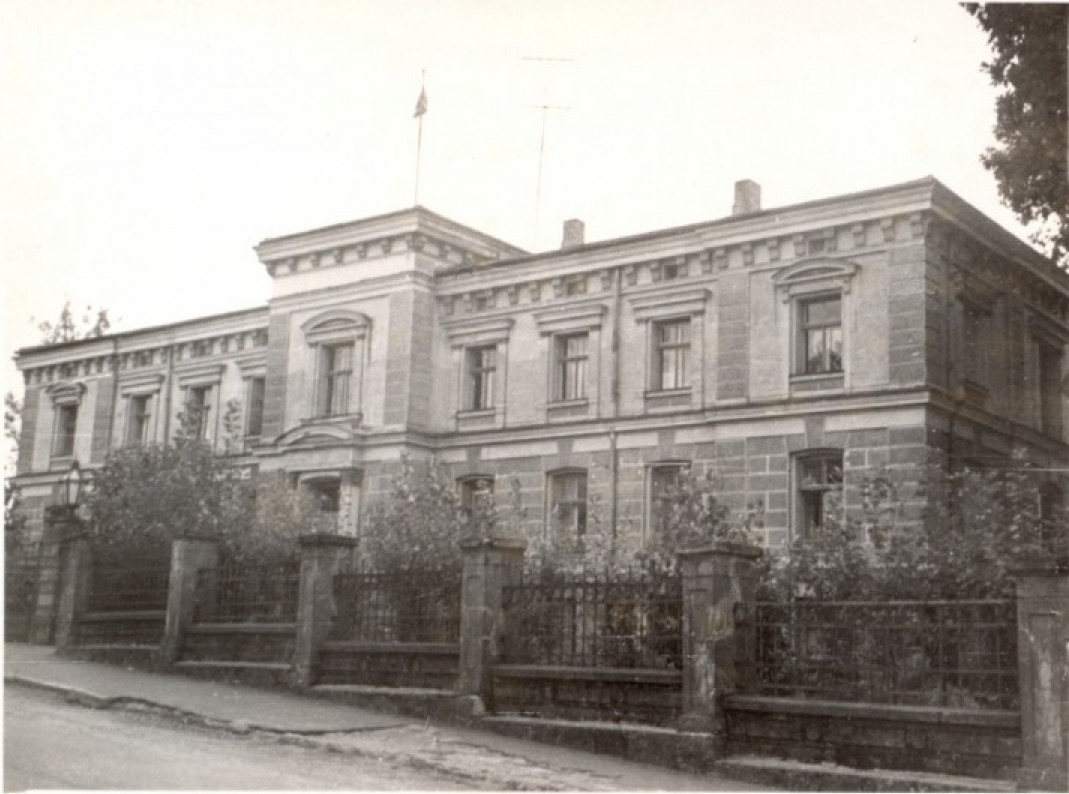
As the theater's most popular performances became increasingly grand, the Charity Society's premises at 3 Rīgas Street became too small, so in 1884, the foundation stone was laid for the society's new building at 3 Jaunā Street (now 3 Piebalgas Street). This stately two-story brick building was built by the well-known master builder Jānis Meņģels, and by the end of 1885, it was ready. To celebrate the opening of the building on October 27, 1885, M. Glinka's opera "A Life for the Tsar" ("Ivan Susanin") was performed in Latvian, with P. Liepiņš-Austriņš, Veronika von Landovska, Konstance Berga-Burtniece, and K. Mačernieks playing the main roles.
Cēsis Theater gained such a good reputation that it gave guest performances not only in the immediate vicinity but also in Valka, Jelgava, Liepāja, and elsewhere. Literary scholar T. Šverste wrote: "No provincial theater has been admired as much as Cēsis Theater. From all sides, people praise the firm and loud theater hostess - Cēsis Charity Society, both the directors and the performers. All of Latvia looked there, taking many things as an example." In 1889, a regional Song Festival was held in Cēsis as an echo of the III General Latvian Singing Festival, and after the concerts, multi-act plays were performed. 1890. In 1890, the theater organized the Latvian premiere of local writer Edvards Treimanis-Zvārgulis' play "At Latvia's Bosom."
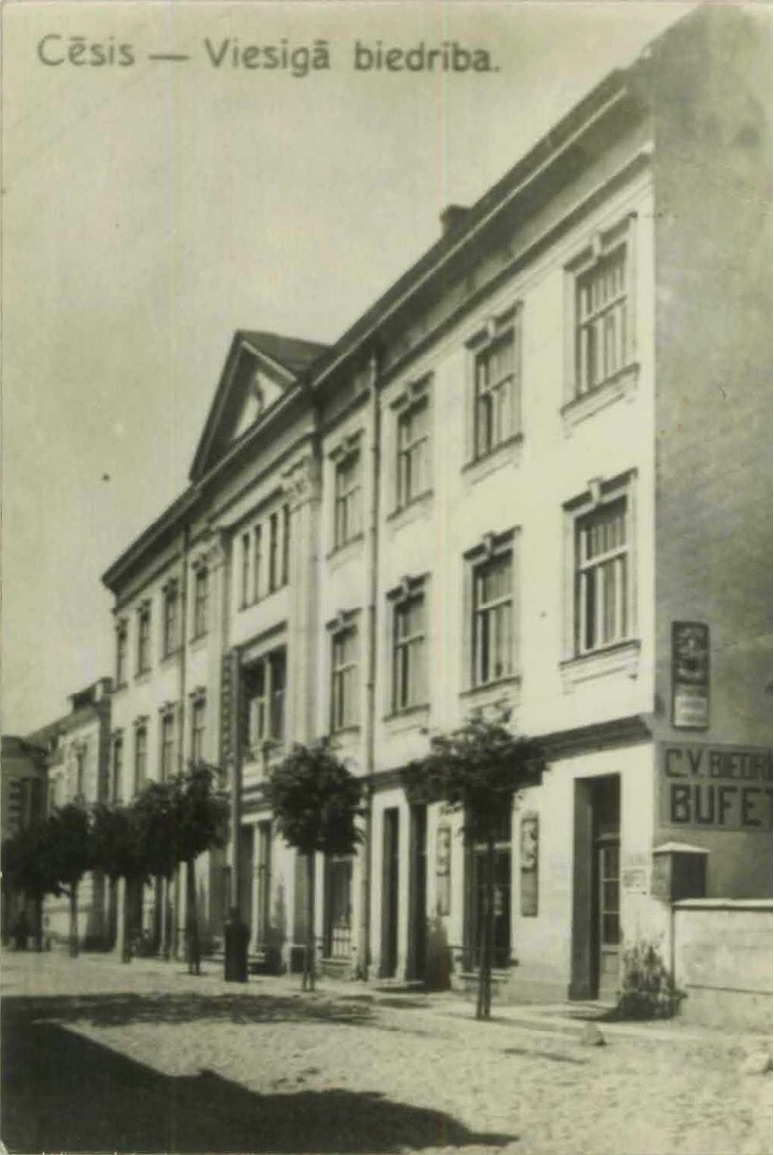
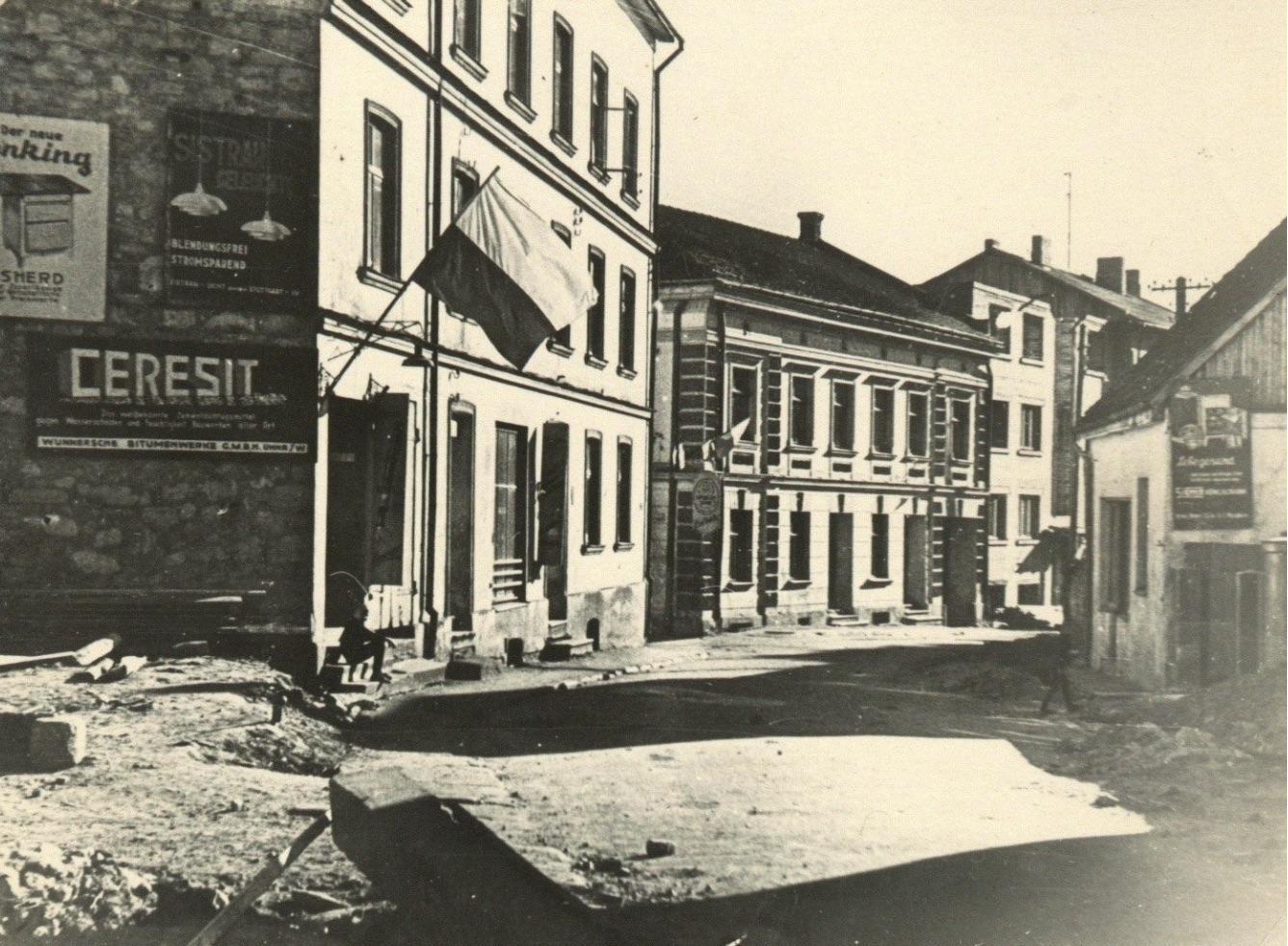
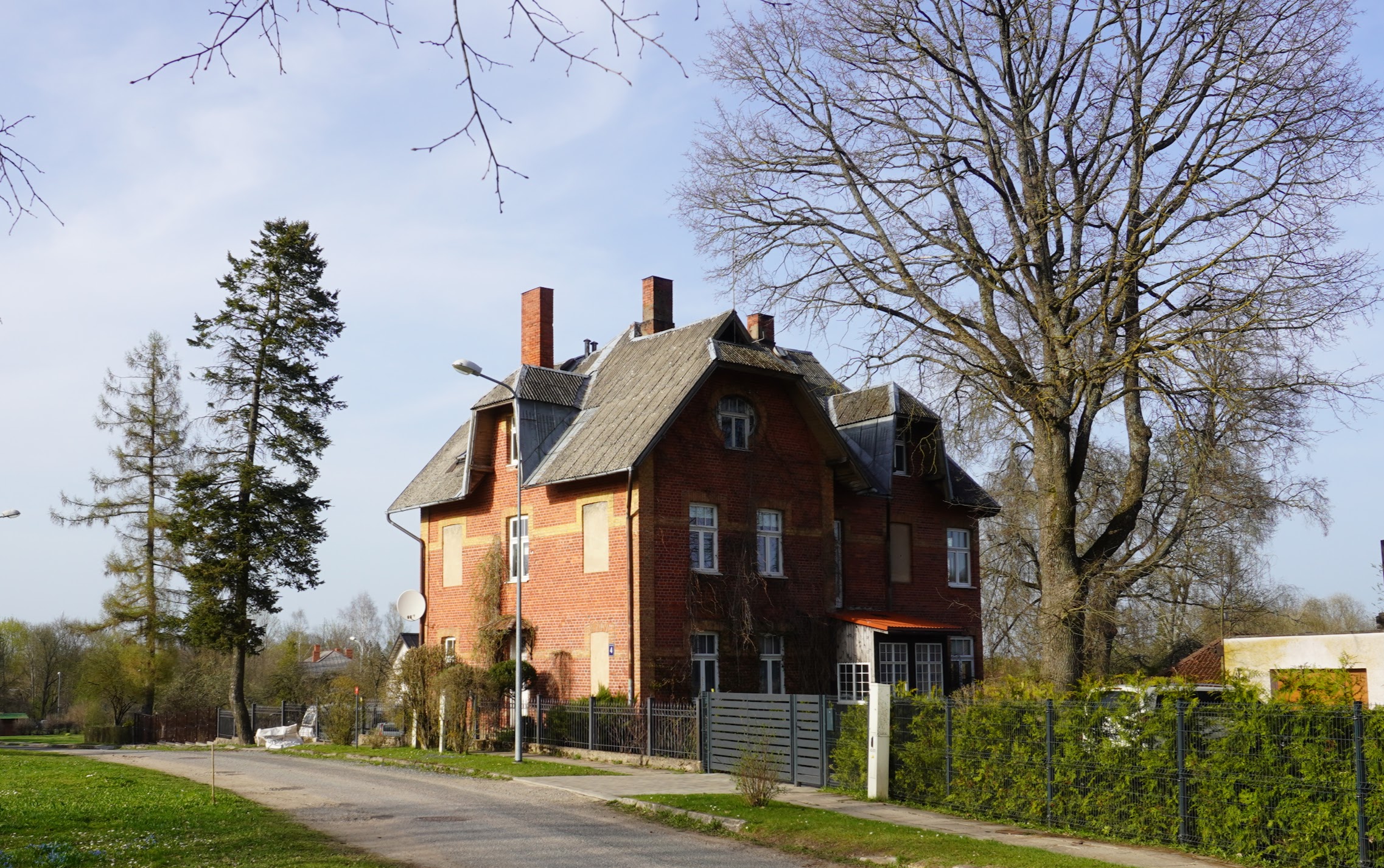
Unfortunately, the society's leadership lacked financial skills, and in 1891, by order of Count Sievers, the owner of Cēsis Castle, and the police, the building was transferred to Jānis Meņģelis due to debts. In 1892, the Charity Society itself was closed, and the theater was left without a stage. To preserve cultural life, other solutions were used - the society's work was continued by the Evangelical Lutheran Church Organ Building Commission, using the premises of the Cēsis Men's Singing Society at 24 Rīgas Street. In 1899, the Cēsis Social Society was founded, which in 1900 moved to the building built by master builder Pēteris Pētersons at 13 Vaļņu Street with a fairly large stage and auxiliary rooms suitable for theater needs. Writers Augusts Deglavs and Reinis Kaudzīte participated in the building's opening event, and Cēsis Theater performed H. Neiert's play "The Shepherd Girl."
At the beginning of the 20th century, the theater became an important voice of public opinion - in 1906, Jukums Palevičs' play "In the Swamp," which openly opposed tsarism and disturbed the audience, was performed in Cēsis. The authorities prohibited the planned repeat performance. In October of the same year, Ā. Alunāns' drama in verse "Our Ancestors" was performed, which, according to the newspaper "Balss," was well attended, "although there were no Germans and wannabe Germans for an understandable reason."
In the twenties and thirties, Cēsis Theater experienced both prosperity and decline. After the restoration of the Social Society building in 1923, the theater resumed work with Aspazija's play "The Silver Veil." The repertoire included both Latvian classics - Ā. Alunāns, A. Brigadere, R. Blaumanis, Aspazija, Rainis, J. Akuraters, A. Upīts, and pearls of world drama - Shakespeare, Schiller, Ibsen, Goldoni, Beaumarchais. Up to 25 performances took place in a season.
However, in 1933, after the performance of R. Blaumanis' "Evil Spirit," critical reviews also appeared, and several years were characterized as a time of theater decline. 1936. In 1936, the cultural life of Cēsis gained new breath when the 10th Cēsis Guard Regiment, under the direction of the Farmers' Drama Theater director Fricis Rode, began organizing drama courses. On April 4 of the same year, the "new Cēsis Theater" opened its curtain with Līgotņu Jēkabs' play "At Bieranti," featuring both former theater actors and newcomers.
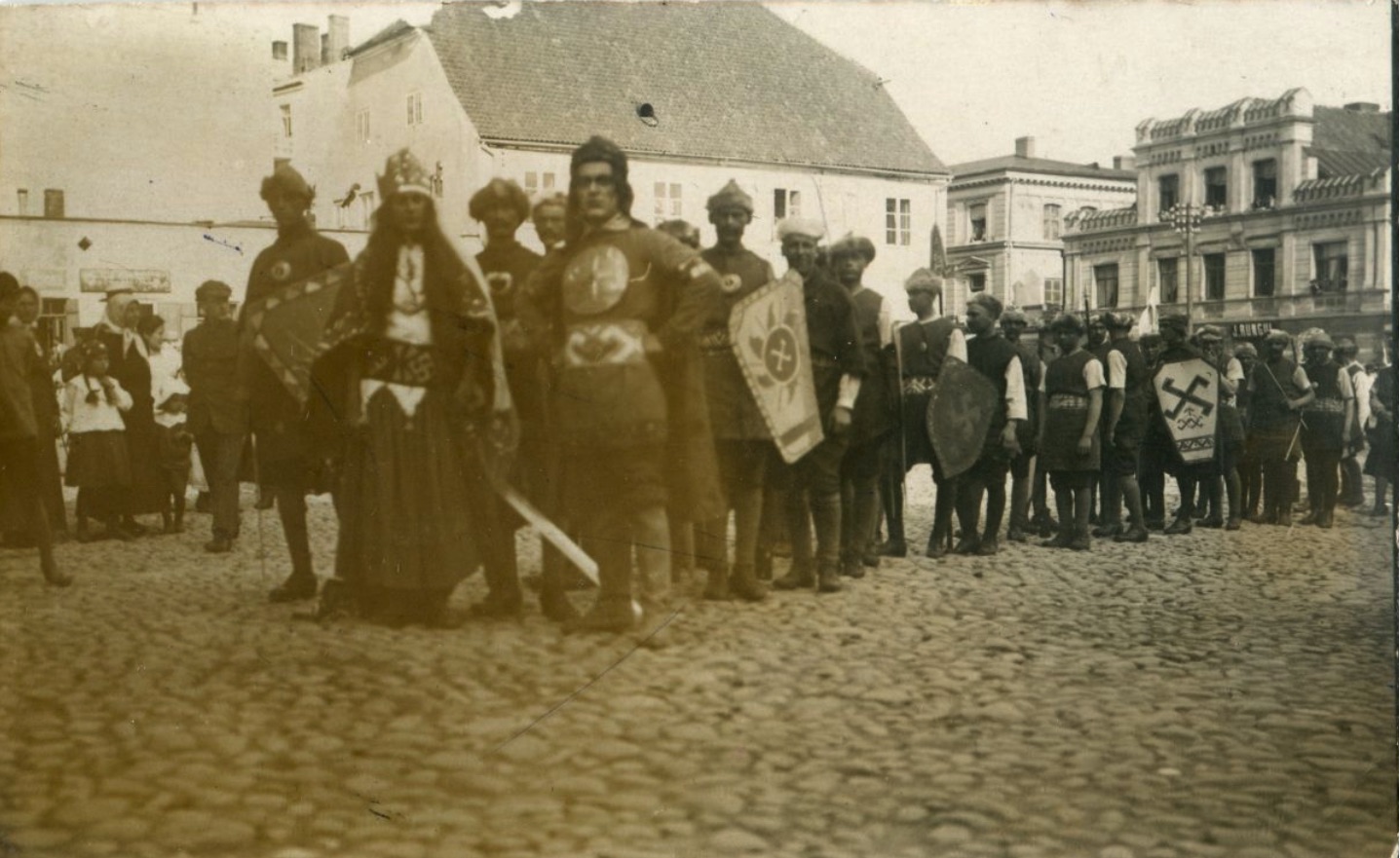
A notable event in the cultural life of Cēsis was the grand outdoor performance of Aleksandrs Grīns' "Flag Seekers" in the summer of 1937, which involved almost 400 performers and extras, with more than 3,000 spectators in the audience - the castle park was full!
The theater continued to operate during World War II. 1940. In 1940, preparing for a decade in Moscow, the theater staged R. Blaumanis' "In Fire" and began rehearsing "Raudupiete," but this work was interrupted by the war. At the turn of 1941-1942, the Trade Union Central Association (ACS) Cēsis Drama Ensemble "Rest and Joy of Living" was established, which in January 1943 was reorganized as an independent Cēsis Theater. Cēsis Music School teacher Kārlis Veilands became the theater's director.
During the war, several professional actors from Riga - Harijs Misiņš, Ludvigs Bars, Atis Krauklītis - came to Cesis and helped to improve the skills of local amateurs. The theatre continued to be active until the end of the war, preserving the cultural life of Cesis even in the most difficult times.
The materials used for the description are:
Elīna Riemere, research “The History of Cēsis Theatre”
Collections of Cēsis Castle Museum and Central Library