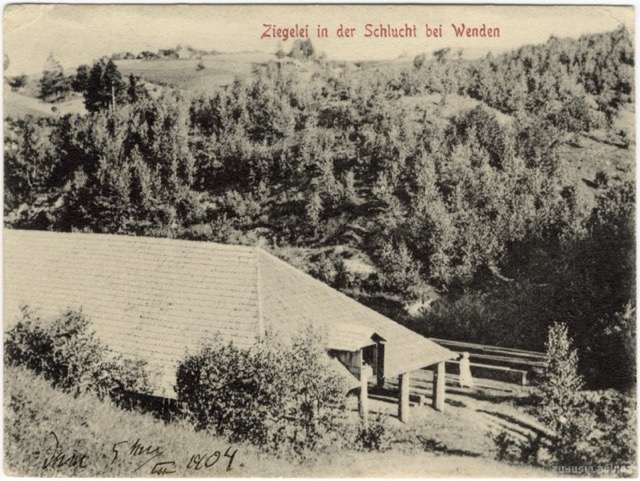
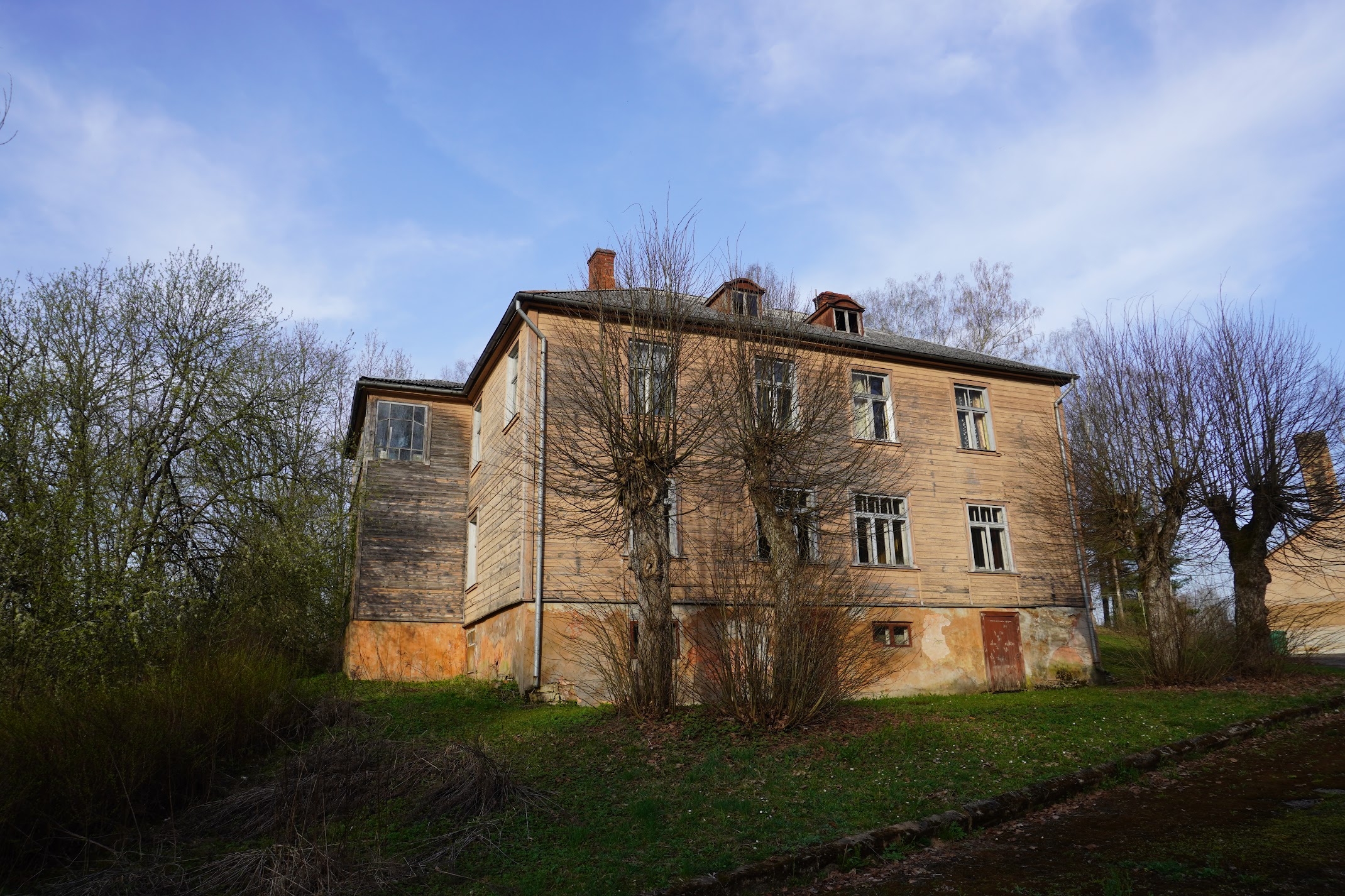
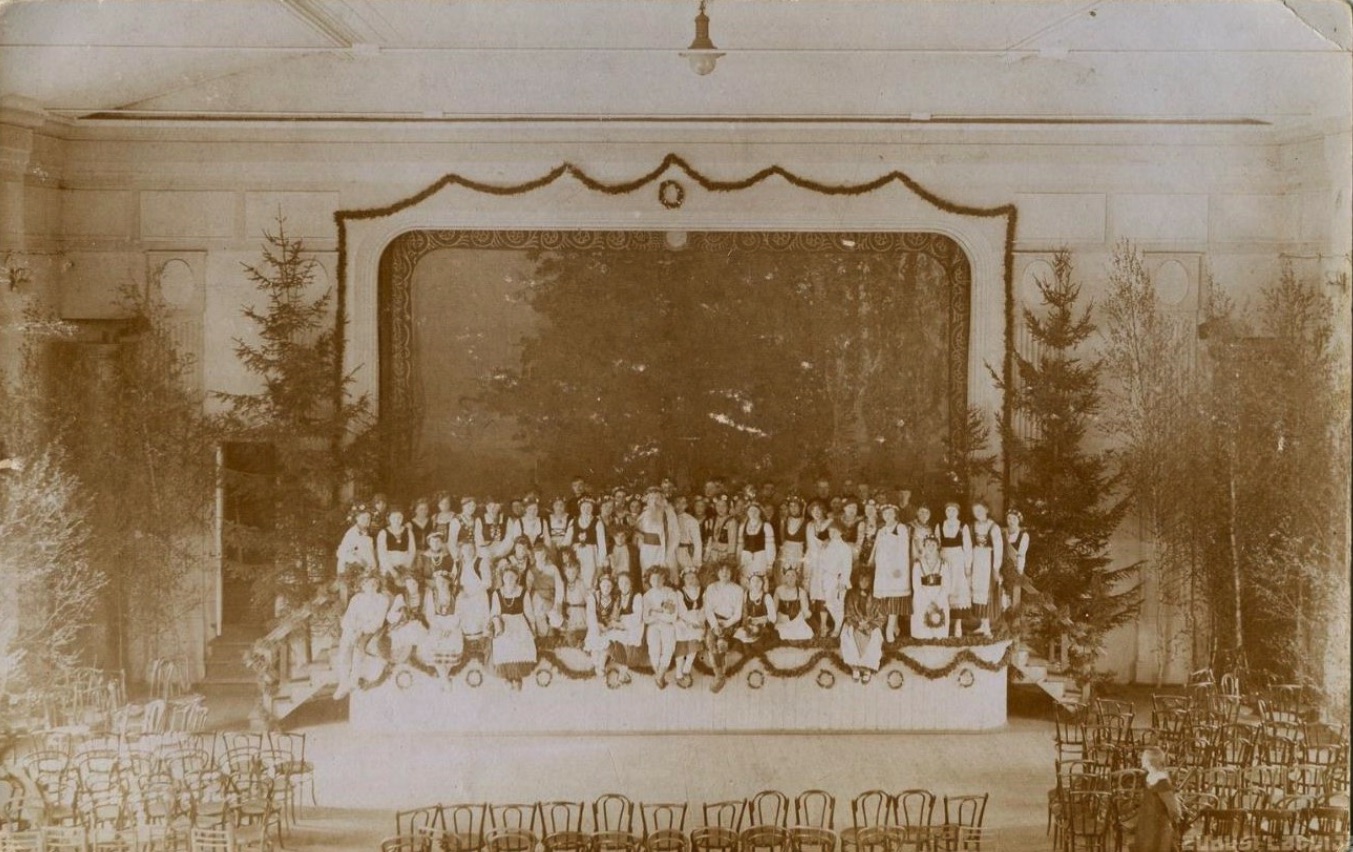
The history of the Cēsis Mūrlejas brickworks dates back to at least the second half of the 19th century. As early as 1884, the list of industrial enterprises in the Vidzeme province mentioned the brick kiln in Cēsis of Kārlis, the son of Andris, Ansilnieks (probably Aizsilnieks). It is interesting that the origin of the name “Murlejas” indicates the historical connection of the place with bricklaying, as Heinrihs Enzeliņš mentions in his materials that “already in 1750 the burgomaster Hans owned the villages of Cīrulis and Murlejas”.
In March 1930, the newspaper “Cēsu Vēstis” reported that the brickworks of Anton Stirns with Murlejas houses on Gaujmala in ūtrupė had been sold. The new owner was Alida, daughter of Martins, Ulpe (born Jankovics, after her first husband Laur), who bought the property for 17 602 lats. Unfortunately, in 1933 Ulpe was already registered as insolvent with the Cesis City Council.
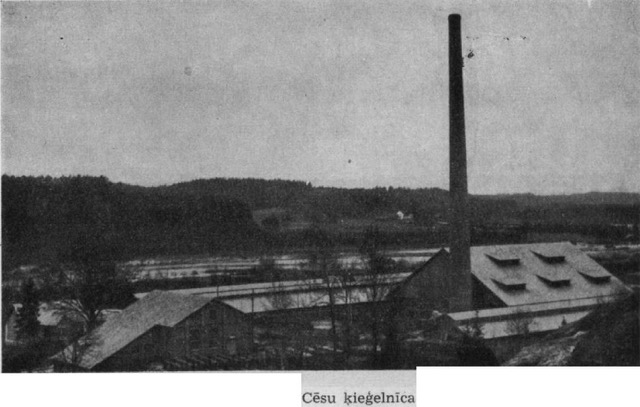
The real breakthrough in the development of the Mūrlejas brickworks came in 1937. 21. In January, the state-owned joint-stock company Ķieģeļnieks was founded to produce bricks and drain pipes. 1938. On 28 April 2008, the “Mūrlejas Ķieģeļnīca” was officially renamed “Cēsu ķieģeļnīca”. The revival of this factory took place very quickly: as the Cēsu Vēstis wrote on 6 May 1938, the state-owned joint-stock company Ķieģeļnieks acquired ownership of the Mūrlejas brickworks, which contained “high-quality, rich clay reserves”. This clay could be used not only to make bricks and drainage pipes, but also for building clinkers, roof tiles, sewage pipes and floor tiles.
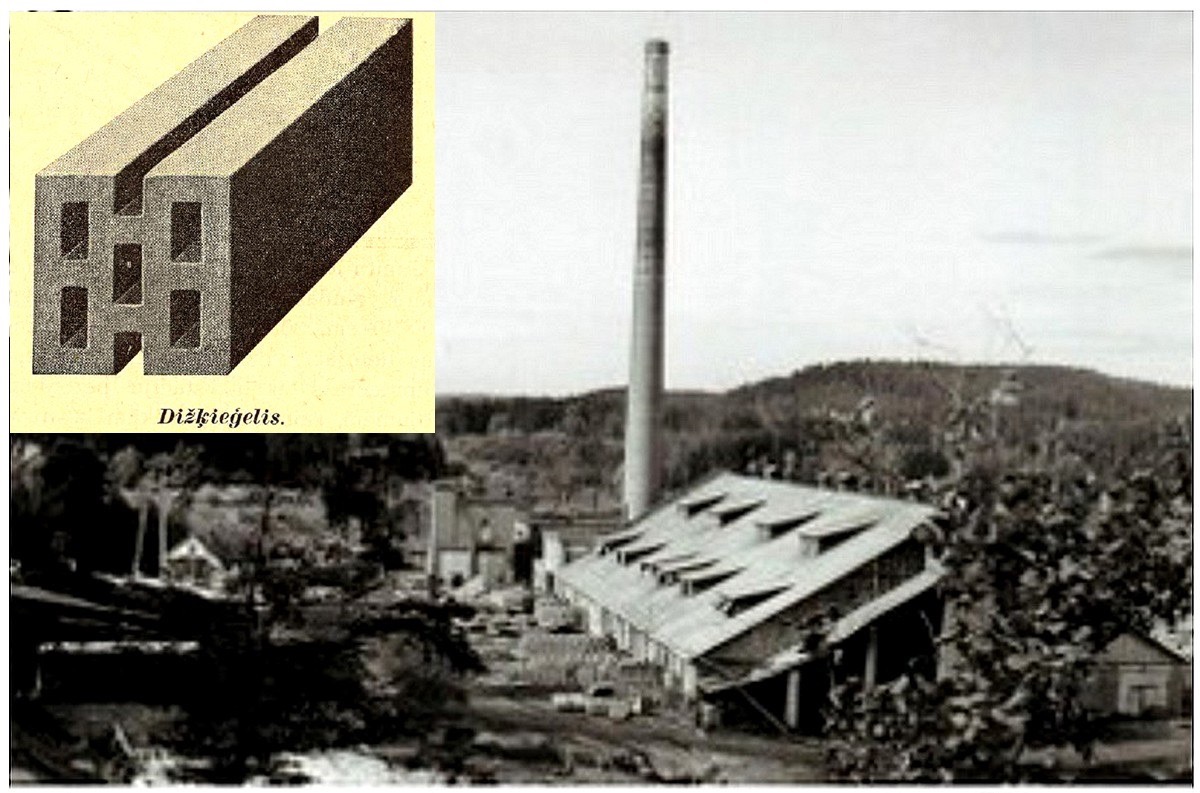
The company seriously modernised the factory, installing new electric machines, building a new kiln and constructing drying sheds. As many as 40 prisoners from Cēsis Prison were involved in the work, excavating the kiln and preparing the clay. The new 52-metre-long chimney, built by contractor M. Kalniņš, was particularly impressive.
Innovation has been a major focus. 1938. In August 2007, the Cēsis Mūrlejas plant began producing “beech bricks” with seven air ducts. They made walls a third thinner, were half as light and cost more than 30% less than conventional bricks.
In the same year, the Cēsis Mūrlejas factory supplied bricks to the Pulvertornis in Riga, a neo-eclectic building. 1939. In July 2010, “Cēsis Vēstis” reported that the joint stock company “Ķieģeļnieks” had purchased a powerful rubber-tired tractor for transporting bricks from Cēsis to Riga for the needs of the War Museum.
Throughout history, the plant has undergone various changes. 1940. In September 2009, the Soviet authorities nationalised all brick factories in Latvia, and the Cesis brick factory was incorporated into the Brick Industry Trust. During the German occupation, the factory continued to operate, and on 30 April 1944, the Cesis Brick Factory in Mūrleiai was among 79 companies awarded for their diligent work.
After the Second World War, the Cēsis Brickworks on Cepļa Street near the Gauja River was reopened in the first half of 1945. On 14 July, the newspaper "Cēsu Stars" reported: "Cēsis bricks have always been considered the best in our republic. Raw material such as Cēsis clay is rarely to be found anywhere else.
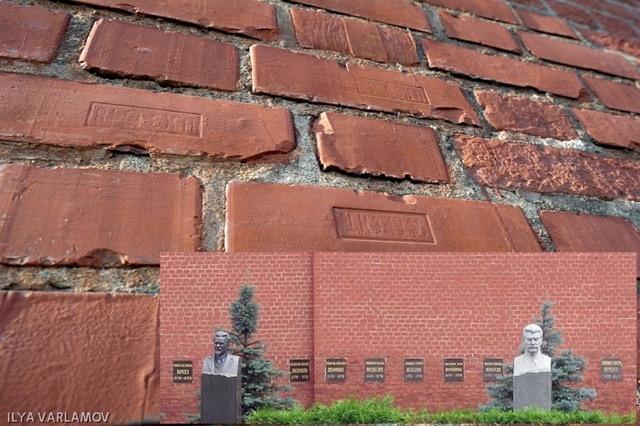
The Cēsis brickworks became particularly famous for its production of special bricks for the restoration of the Moscow Kremlin tower and wall, which began in 1948. 183 000 “bricks of the highest quality” were sent to Moscow. In the same year, the Cesis Building Materials Plant (CBR) was founded on the basis of the brickworks, lime kilns and dolomite quarries of Cesis and the surrounding area.
On 1 February 1968, the Cesis Building Materials Plant (CBR) with the Cesis brickworks, the Cesis (Laucini) limeworks and the Tūja workshop was transferred to the Lode Drainage Pipeworks (LDCR). The clay reserves in the Mūrlejas deposit began to run out and 1970 was probably the last year of operation of the Cēsis brickworks under the LDCR.
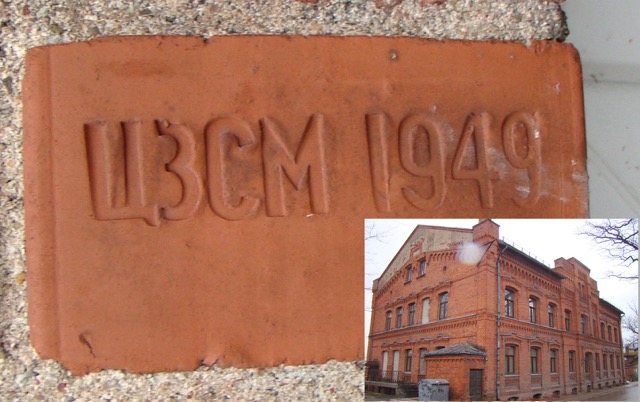
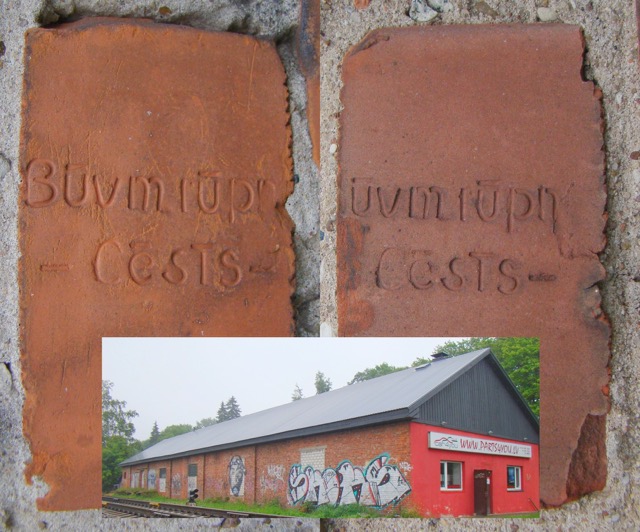
Today, the chimney, the workshop building and the ruins of the semicircular Hoffmann kiln are testimony to the once-famous brick factory. The site is now privately owned. Interestingly, a brick found here, in a structure unrelated to the kiln, bears an inscription from before it was fired: “Привет из Цесиса” (Greetings from Cesis).
Known buildings using bricks from the Cesis brickworks
Riga Powder Tower (Military Museum) - 1938-1939
Moscow Kremlin - 1948-1949
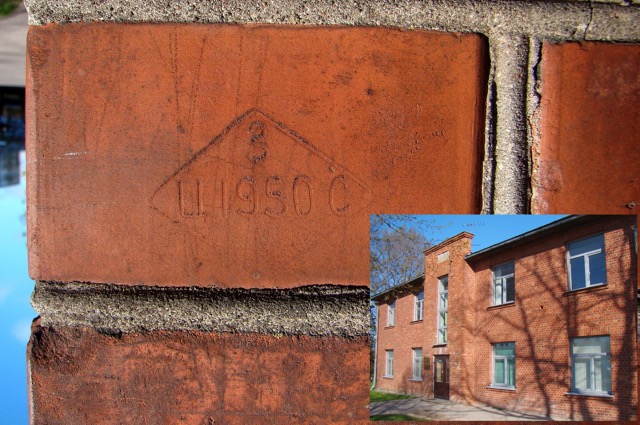
Building in Cesis, Valmieras Street 17 - 1950
Building in Cesis, 15 Valmieras Street - 1951
St. Peter's Church in Riga (for restoration) - 1956-1957
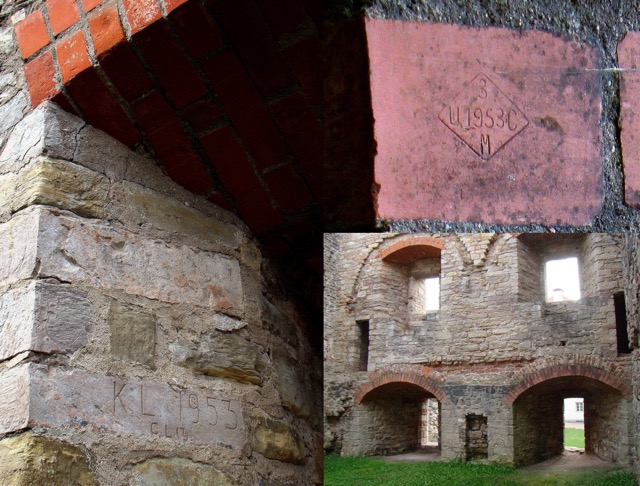
Cesis Castle Ruins - 1956-1957
Building in Liepa, former Dukuli half-manor - 1960
Apartment house in Sigulda, at the intersection of Šveices and Lakstīgalas streets - 1960
Farm building in Cesis opposite the current “Globus” - 1961
Plavinas HPP - around 1961
Salaspils nuclear reactor - around 1961
Valmiera glass fibre factory - around 1961
DCR bullets - circa 1961
The former pig barn of the collective farm named after Eduards Veidenbaums in Liepa “Upmaļi” - 1962
Railway workers' house near Cesis market - 1963
Building in Limbaži, 8 Cēsu Street - 1963
Building in Cesis, 41 Rīgas Street (for bricking up a window) - 1964
1st workshop of the Lode factory - 1964
Building in Cesis, 19a Piebalgas Street - circa 1968
The materials used for the description are:
Aivars Vilnis, research paper “Historical Building Ceramics of Latvia”
Latvian National Digital Library Letonica project“Latvia Lost”.